
Modular Buildings Manufactured and Installed Across the UK
Modular buildings UK clients choose are designed to create new space with less disruption and better programme control. In addition, a modular building can support schools, offices, welfare facilities, clinics and hospitality projects across the UK.
KC Modular Buildings supplies factory-built solutions using several structural routes. Therefore, clients can compare layouts, delivery methods, compliance needs and end uses from one clear platform.
What modular buildings are used for
A modular building is manufactured in controlled factory conditions and then installed on site. As a result, the process can shorten site time and improve consistency.
These buildings are used for offices, classrooms, welfare facilities, healthcare spaces, hospitality projects and other specialist uses. Moreover, the right route depends on specification level, transport constraints and project goals.
This page brings together systems, applications, technical guidance and related research. Consequently, it works as the main entry point for visitors comparing modular buildings for sale or searching for modular building suppliers UK-wide.
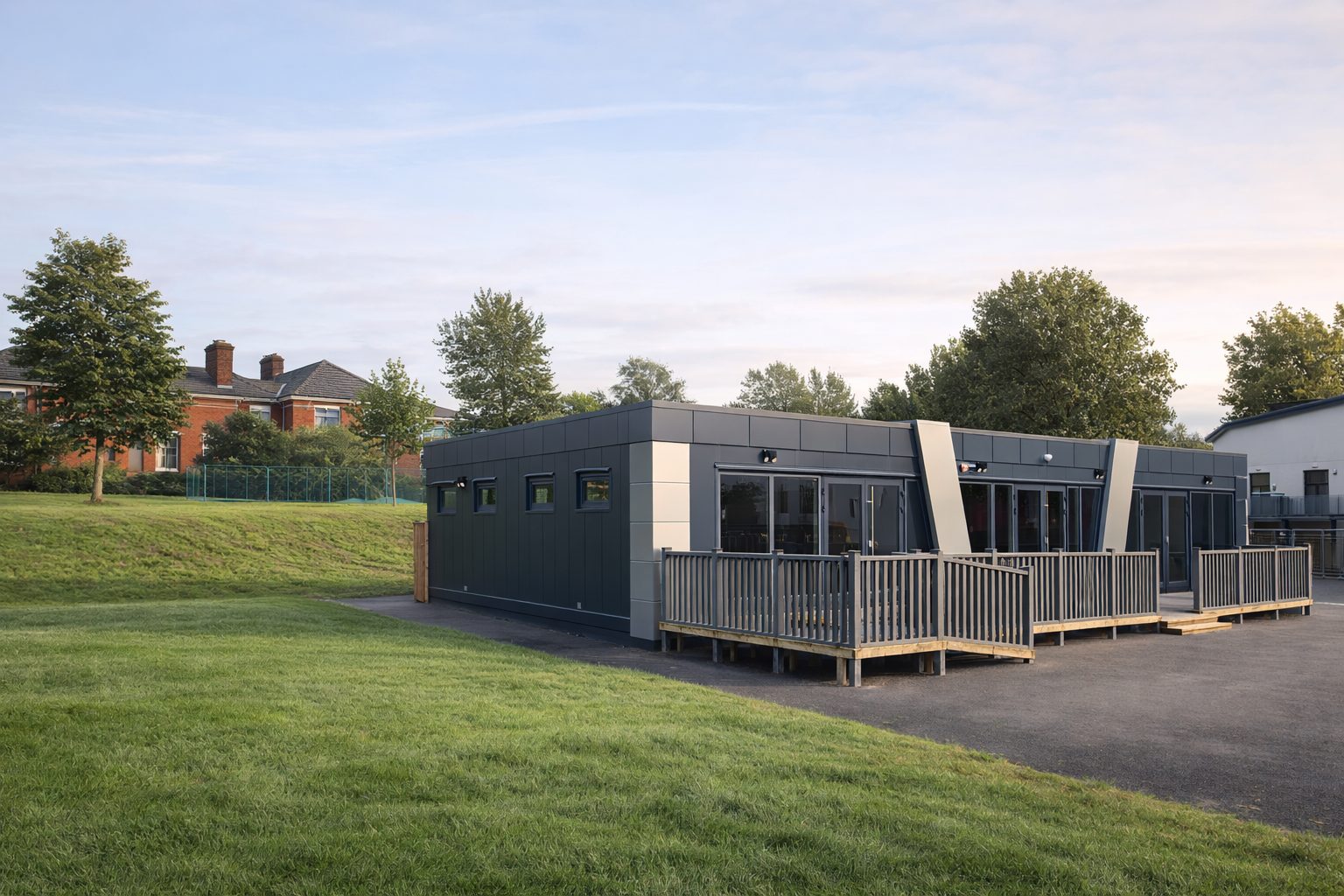
Modular building systems to compare
ISO frame systems
ISO frame options are often chosen for repeatable layouts, efficient transport and robust steel corner structures.
Explore ISO frame systemsSteel frame systems
Steel frame solutions suit projects that need a more architectural finish, larger spans or a stronger permanent-building feel.
View steel frame systemsTimber systems
Timber-led routes work well for lodge-style projects and schemes where warmth of finish or energy messaging is important.
Discover timber systemsBespoke systems
Bespoke routes support projects that need a tailored layout, façade design or more advanced technical coordination.
See bespoke system optionsCommon uses for modular buildings
Office buildings
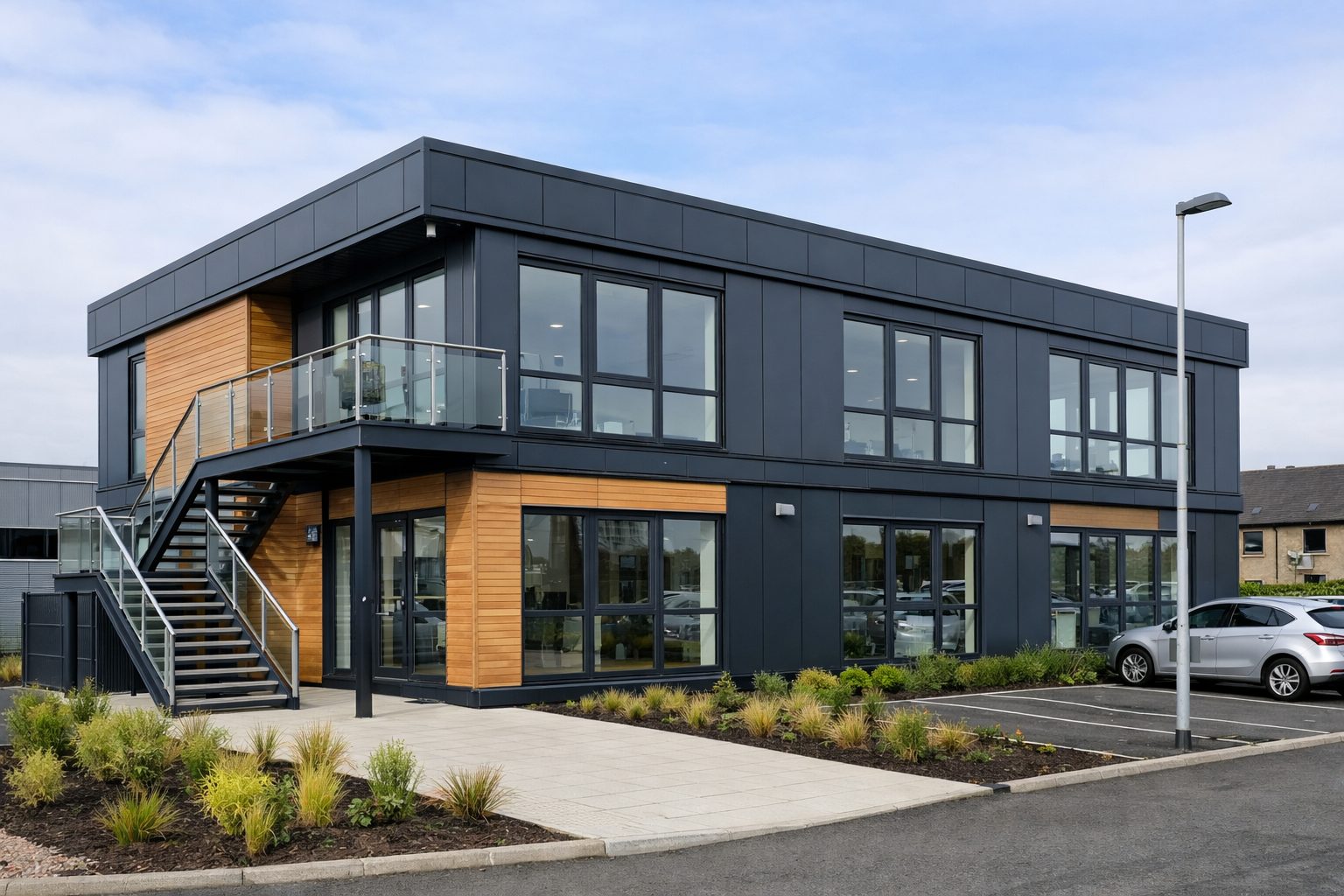
These spaces support head offices, business parks, temporary administration areas and client-facing commercial environments.
View office optionsEducation buildings
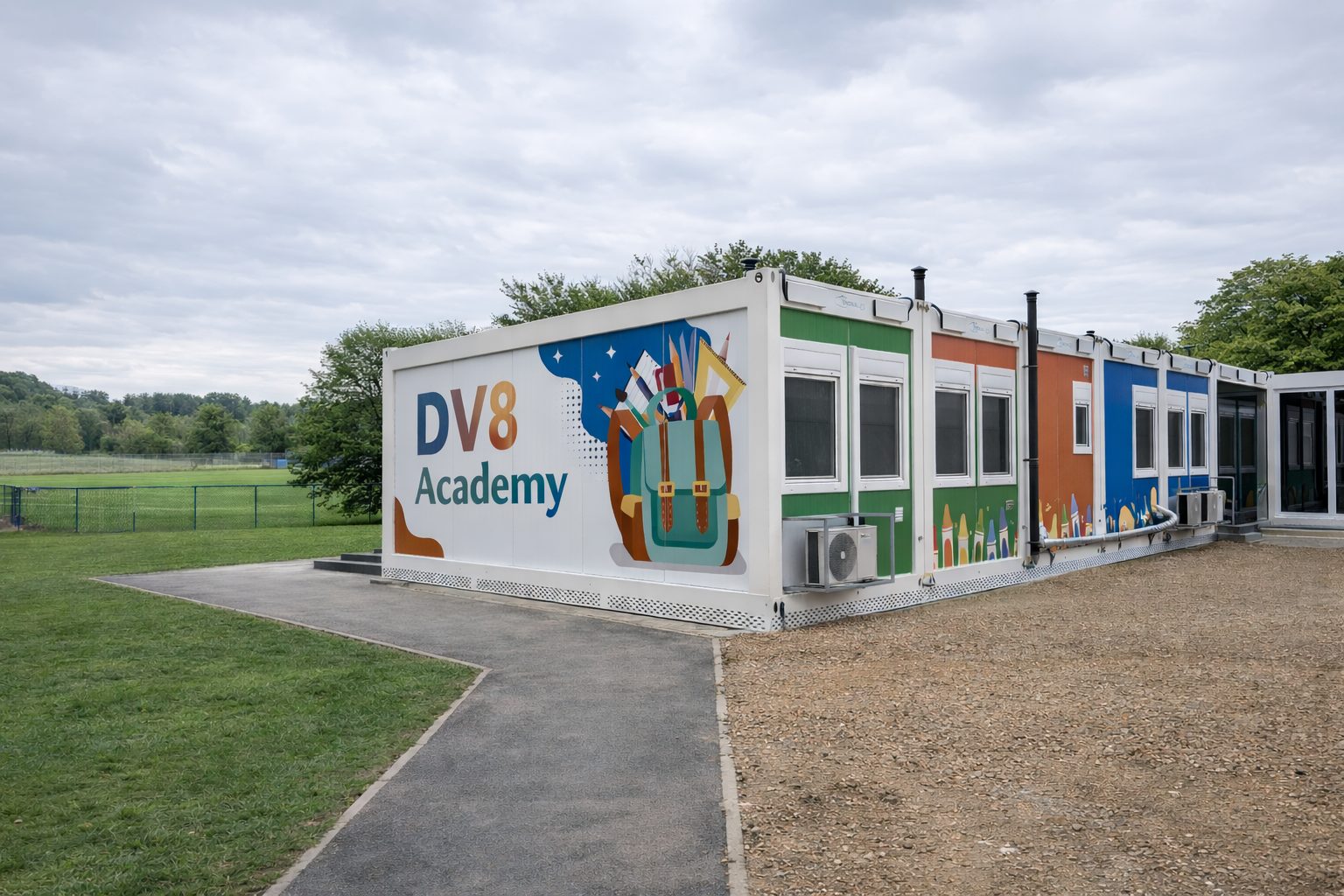
Education projects often need extra teaching space fast. Therefore, modular classrooms remain a strong early research category.
View classroom optionsWelfare buildings
Welfare facilities can combine toilets, canteens, drying areas and support rooms in one practical building package.
View welfare optionsHealthcare buildings
Clinic-led modular spaces support healthcare expansion where speed and cleaner site logistics are important.
View clinic optionsHospitality buildings
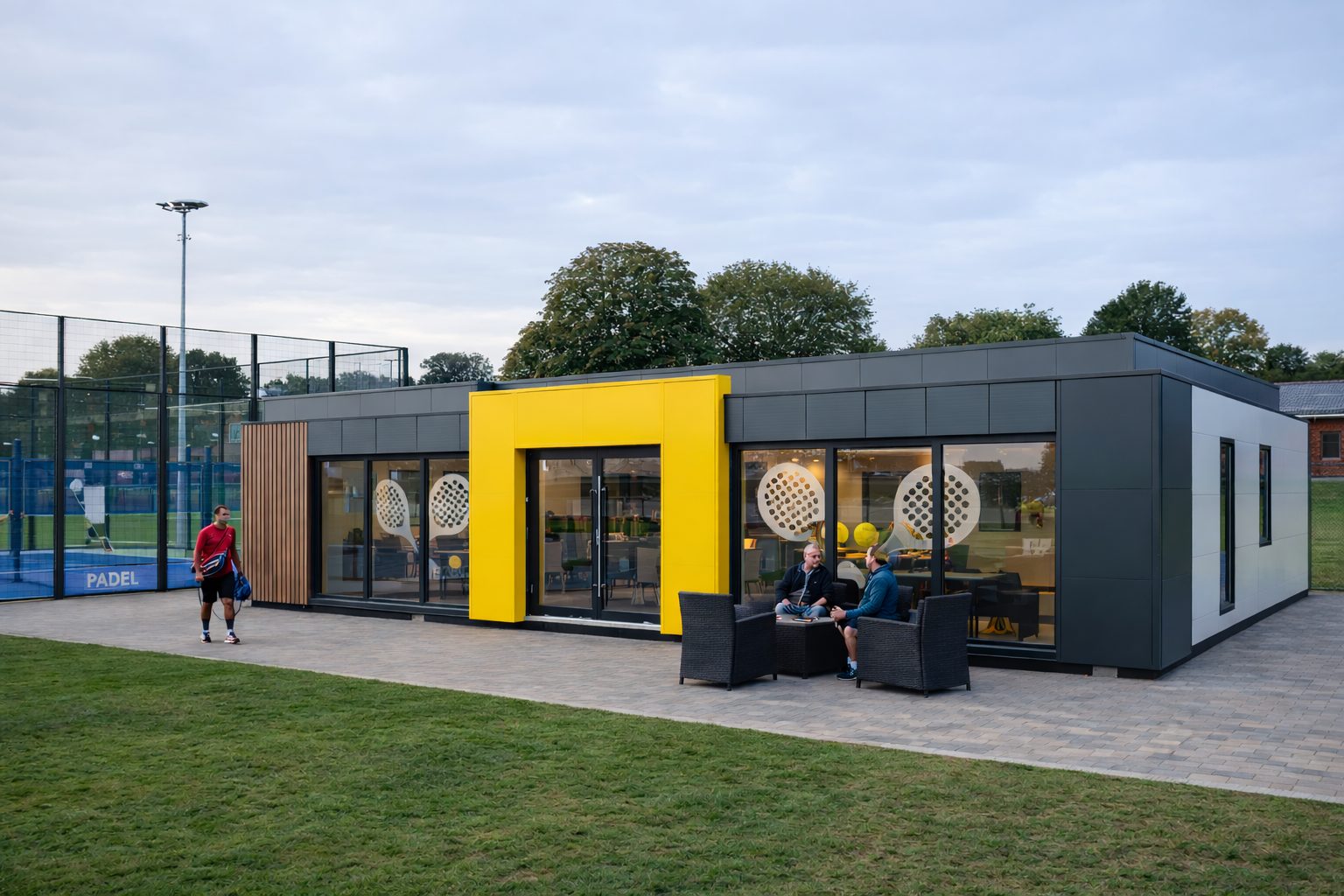
Hospitality and leisure projects can use factory-built accommodation, clubhouse or visitor-facing spaces.
View hospitality optionsRetail pods
Retail pods and kiosks suit compact customer-facing environments that need fast deployment and clear branding.
View retail pod optionsWhy this route is often preferred
Faster delivery
Factory work and site preparation can overlap, which often shortens the overall programme.
Cleaner site process
A shorter installation window can make live sites easier to manage.
Consistent quality
Controlled production conditions help improve repeatability and finish standards.
Flexible applications
The same broad approach can support commercial, public and specialist building types.
How modular buildings compare with traditional construction
| Feature | Modular route | Traditional route |
|---|---|---|
| Programme structure | Factory and site work can overlap | More site-led and sequential |
| Weather exposure | Reduced during manufacture | Higher site dependency |
| Site disruption | Usually lower during final install | Often longer on site |
| Quality environment | Controlled factory setting | Depends more on live site conditions |
| Typical uses | Education, offices, welfare, healthcare, hospitality | Broad range, including full traditional procurement |
Technical guidance and research links
Delivery and installation
Learn how transport, craning and placement are handled.
Read delivery guidanceRegulations and planning
Review planning, fire and compliance topics before procurement.
Read regulations guidanceCosts and comparison
Use the main guides to understand costs and compare routes.
Read the main guideQuestions people ask about modular buildings
What is a modular building?
Are modular buildings suitable for permanent use?
Do these buildings need planning permission?
What building types does KC supply?
Which system is best for my project?
Can a modular building be moved later?
Where should I start?
Useful next steps
Ready to discuss your project?
If you are comparing modular buildings for sale, UK suppliers or system options, we can help you narrow the route and scope clearly.